After an exciting start to the year for county watchers, there was a real lack of scarcities in what was a quiet March. However, one day right at the end of the month turned out to be particularly notable, especially for one Aylesbury based birder.
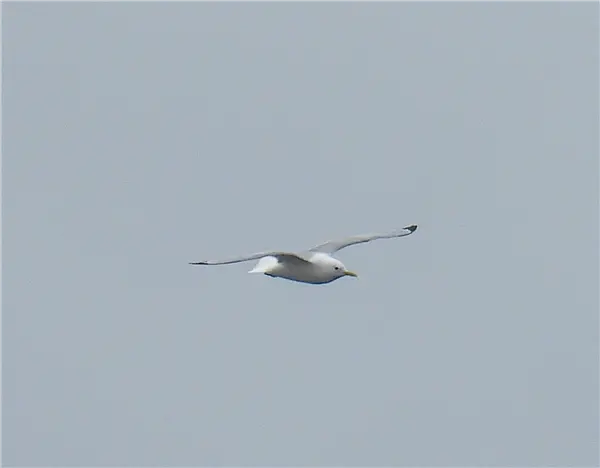
On the morning of the 26th, a flock of 17 Kittiwake were spotted high over Wendover Woods. This was an excellent record in itself, but amazingly, later that day, the same observer had an even bigger flock of this dainty seabird over his Watermead patch - 45 to be exact! This is the biggest flock seen in Bucks since 1994. These excellent flocks followed two adult birds, which had made a pit stop at Willen the day before.
Staying in MK, there was a brief Rock Pipit at Logistica Flood early on 4th. Interestingly, the individual, of the Scandinavian-type litorallis, had been colour ringed. Meanwhile, not far from there a group of 4 drake Common Scoters called into Willen Lake on 7th.
Obviously Milton Keynes was the place to be, as later in the month, from 18th-19th, there was an elusive female Black Redstart on the rough patch of ground in central MK. Many years ago this tiny patch of land become well known for delivering quality Spring migrants. And although it is still largely undeveloped, the eyes of local birders have long since wandered elsewhere. How many migrants still go unseen here?
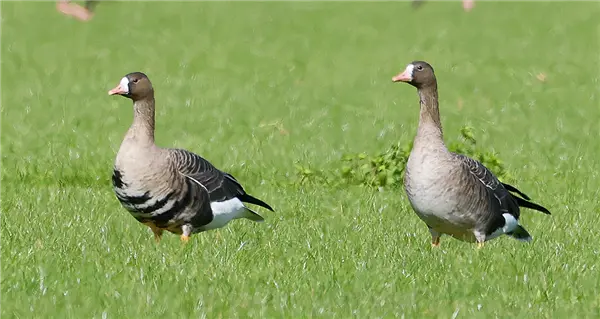
Whilst at Linford, the flock of 8 White-fronted Geese there continued to hang around until the month’s end, being briefly joined by another wandering individual on 14th. There was also a nocturnal record of this species from Rowsham, where an estimated flock of 10 birds passed over in the early hours of the 10th.
Shelducks were at six sites, with 5 at College Lake the most seen at any one time. Hopefully they stay around to breed. There have not been many Pintails across the county in recent months. The long staying female, which remained at Willen until 8th, and 2 drakes and a female at Foxcote on 19th were the only reports in March. Only Willen (max. 8), Foxcote (max. 7) and Startops (1) held Goldeneye.
Bitterns were recorded from Willen on 19th and Linford on 31st. Remarkably, the individual at Linford stayed well into April. But more about that in the next bulletin. Two sites hosted Cattle Egret during the month: Little Marlow on 3rd and FFNR on 18th. Fulmer, Stony Stratford, Gallows Bridge, Linford, Aylesbury STW and FFNR all held Great White Egrets, with 3 at Linford being the peak count.
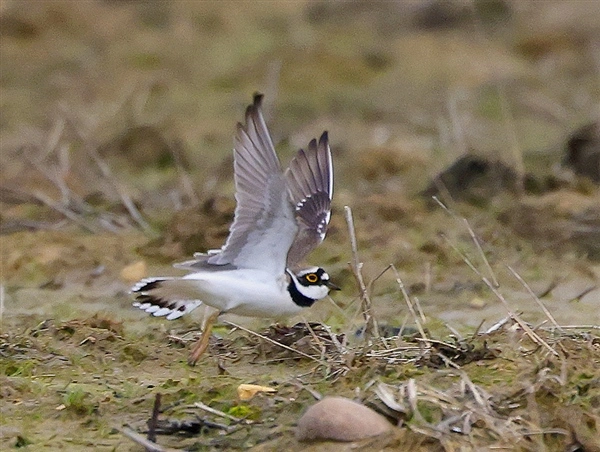
A healthy 12 sites recorded Oystercatchers, with early breeding activity coming from one site. The first Little Ringed Plover of the year came from Logistica Flood with one there on 3rd. Following on from this first trailblazer, LRPs were reported from Little Marlow GP (max. 2), Logistica Flood (max. 7), Aylesbury STW (max. 2), Amersham (max. 2), Dorney Common (max. 3), Wapseys (1), and Willen (1).
Ringed Plovers were at Logistica Flood and Calvert (the overwintering individual) on 19th. There were indications of breeding Lapwing at seven localities. Despite being a low number, I am sure there are many more breeding pairs out there, many on private farmland.
Logistica Flood was the place to be to see Dunlin with at least 3 individuals passing through the site between 10th - 19th. Jack Snipe were located at Stoke Common (1), Amersham (1), Newport Pagnell (1) and Logistica Flood (2). There were only 2 reports of Woodcock, at Whitchurch on 2nd and Chisbridge Lane the following day.
Our breeding Curlews began returning to Shabbington (max. 4) and Gallows Bridge (max. 2) from 3rd, whilst a migrating bird quickly passed through Willen on 14th. The overwintering Common Sandpiper at Dorney Common continued to hang around with a sighting on 20th. Redshank returned to their breeding grounds at College Lake (max. 5) and Gallows Bridge (max. 4) from 1st, while migrating individuals stopped off at Aylesbury STW on 14th and Rowsham from 15th-16th.
Late March onwards is when we can start looking for Little Gulls, usually borne to us on south-easterly winds. And on cue, three adults were at Little Marlow GP on 19th. Three sites hosted Mediterranean Gulls: there were adults at Dorney Common on 1st and College Lake between 6th-7th (what was most likely the same individual was also spotted there in April) as well as 2 adults and a 3CY individual at Little Marlow GP from 12th - 22nd.
There were two reports of Yellow-legged Gull, both from Little Marlow GP - a 2CY individual on 15th and an adult on 16th. Caspian Gulls were at Leckhampstead Wharf (a 1st-w bird on 20th) and Little Marlow GP (an adult on 7th and a 3CY on 15th).
The first Sand Martin of the year was at Dorney Lake on 4th with the largest flock (30) coming from Little Marlow. Meanwhile, the first Swallow arrived at Little Marlow GP on 20th. Numbers soon picked up with 50 passing through Little Marlow GP, the largest flock recorded during the month. Willen and Little Marlow both hosted the first House Martin on 29th, with more individuals appearing as the month drew to a close.
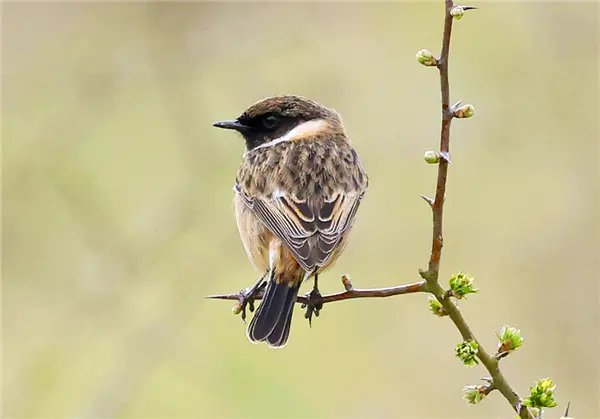
There were three flocks of 25 Meadow Pipits, at Rowsham, Tattenhoe MK, and Logistica Flood, and birds singing and displaying at two other traditional sites. Stonechats were at 10 localities with evidence of breeding coming from three of them.
There was a very early Wheatear at Stokenchurch on 8th - the earliest since 2019 – and further birds were seen at six other sites. Dorney Lake (8) & Ivinghoe Beacon (7) hosted the maximum counts. Willow Warblers started arriving from the 19th with the first singing at Wendover Dean. There were also reports from two other sites during March - Little Marlow (max. 5) and College Lake (2).
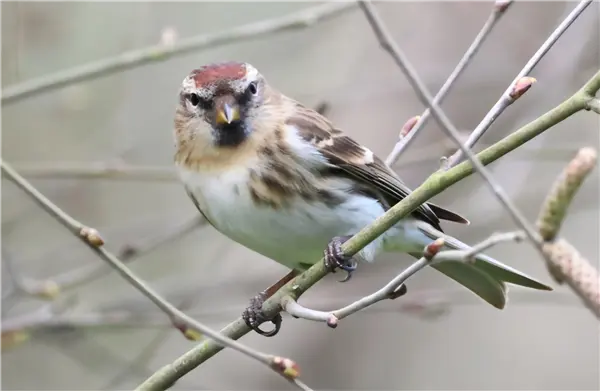
Brambling were seen at just 7 sites with only singles being reported from each of them. It’s been a poor winter for this species. A good flock of 150 Siskin was at Little Hampden and Rushmere Park, 300 Linnets were at Rowsham, and 20 Redpoll were at Stoke Common were all maximum counts.
Crossbills were at Back Wood (2), Rushmere Park (max. 10) and Oakhill Wood (1). We’ve been extolling the possibilities of breeding Crossbills for some months now. If that has occurred it won’t be long before we see some juveniles – fingers crossed.